AI
AI Nkyerɛkyerɛ Mu
Hwɛ AI a ɛyɛɛ mfonini a ɛda wo nipadua ho adi wɔ wo bɔkɔɔ mu
🎉 App a ɛyɛ kan a ɛda ho adi sɛ wopɛ sɛ wopɛ nsɛm a ɛfa wo nan mu ho wɔ Akan!
Akwankyerɛ a ɛda ho adi mu fa nsɛm a ɛyɛ nokware ho na ɛda ho adi a ɛyɛ akwan a ɛda ho adi mu fa AI aduan nhwehwɛmu a ɛyɛ ɔkɔmfoɔ, carbon footprint, ne gluten nsɛm a ɛda ho adi mu fa barcode so; ka ho nsɛm a ɛyɛ calorie budgets ne calorie deficit.
Nkyerɛkyerɛmu
Sɛnkanee mfonini a ɛda ho adi fa app no ho.
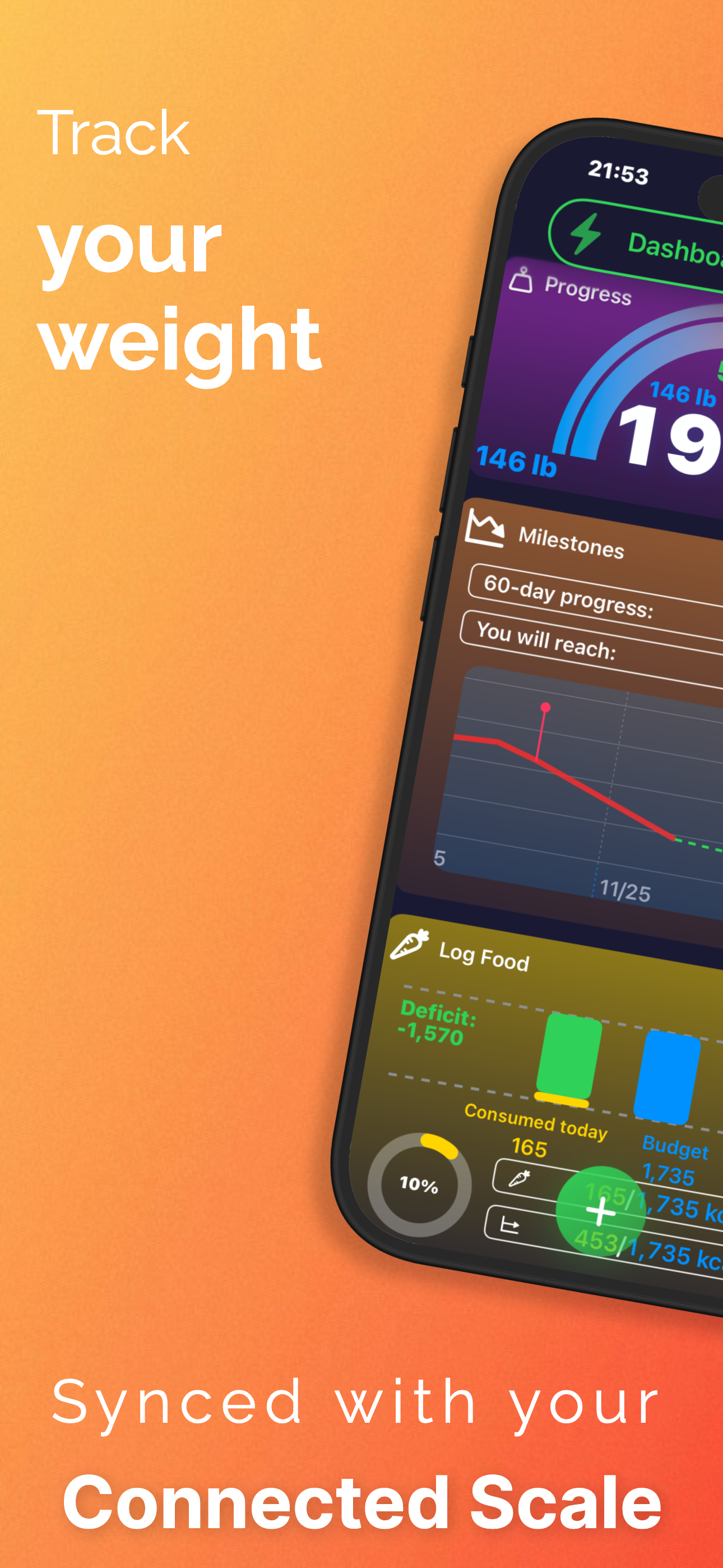
Wo Nsɛm a ɛda so
Hwɛ wo nkɔso fi ɔkwan a ɛyɛ mu kɔ nsɛm a ɛyɛ papa
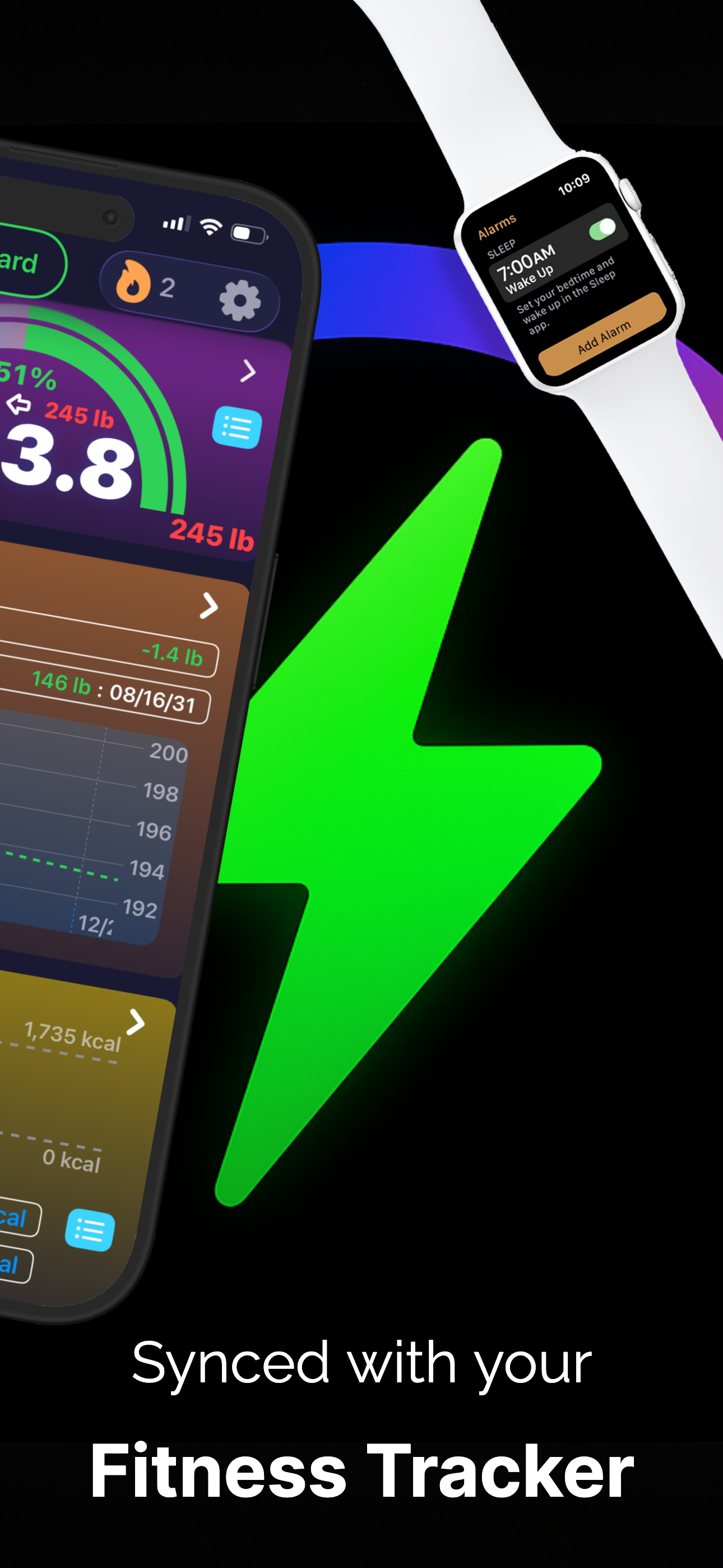
Apple Health Nhyɛmu
Fa wo fitness tracker no bɔ mu. Hu weight nsɛm a ɛda ho nsɛm wɔ workout mu. Wɔnhyɛ tracker? Yɛn 'Add Activity' nkyerɛmu bɔ 45+ nsɛm ho.
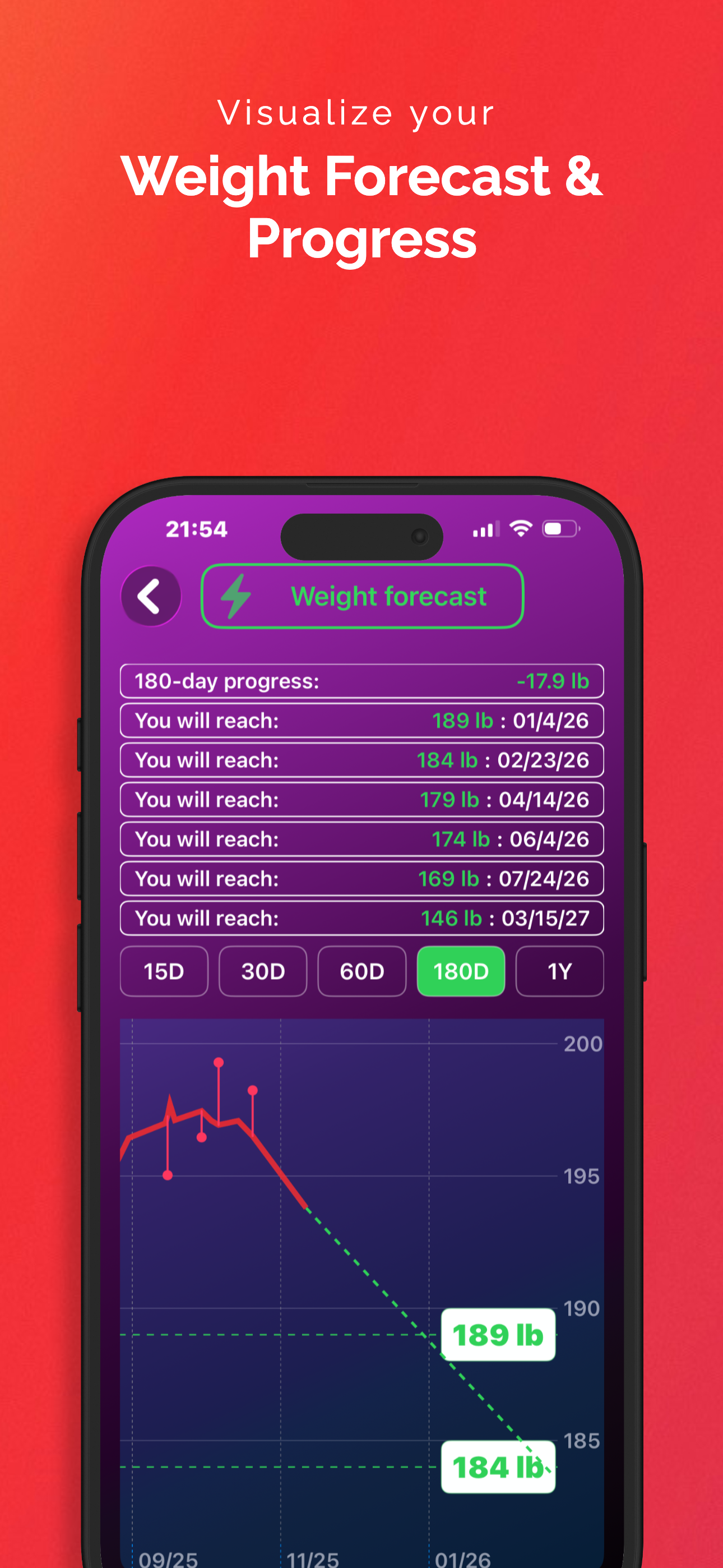
Nkyerɛmu a ɛda ho adi fa mmerɛ a ɛbɛba ho
Hu nkyɛmu da, wo daakye nsɛm — na sɛ wopɛ a, wopɛ sɛ woyɛ wo ɔsummer nipadua
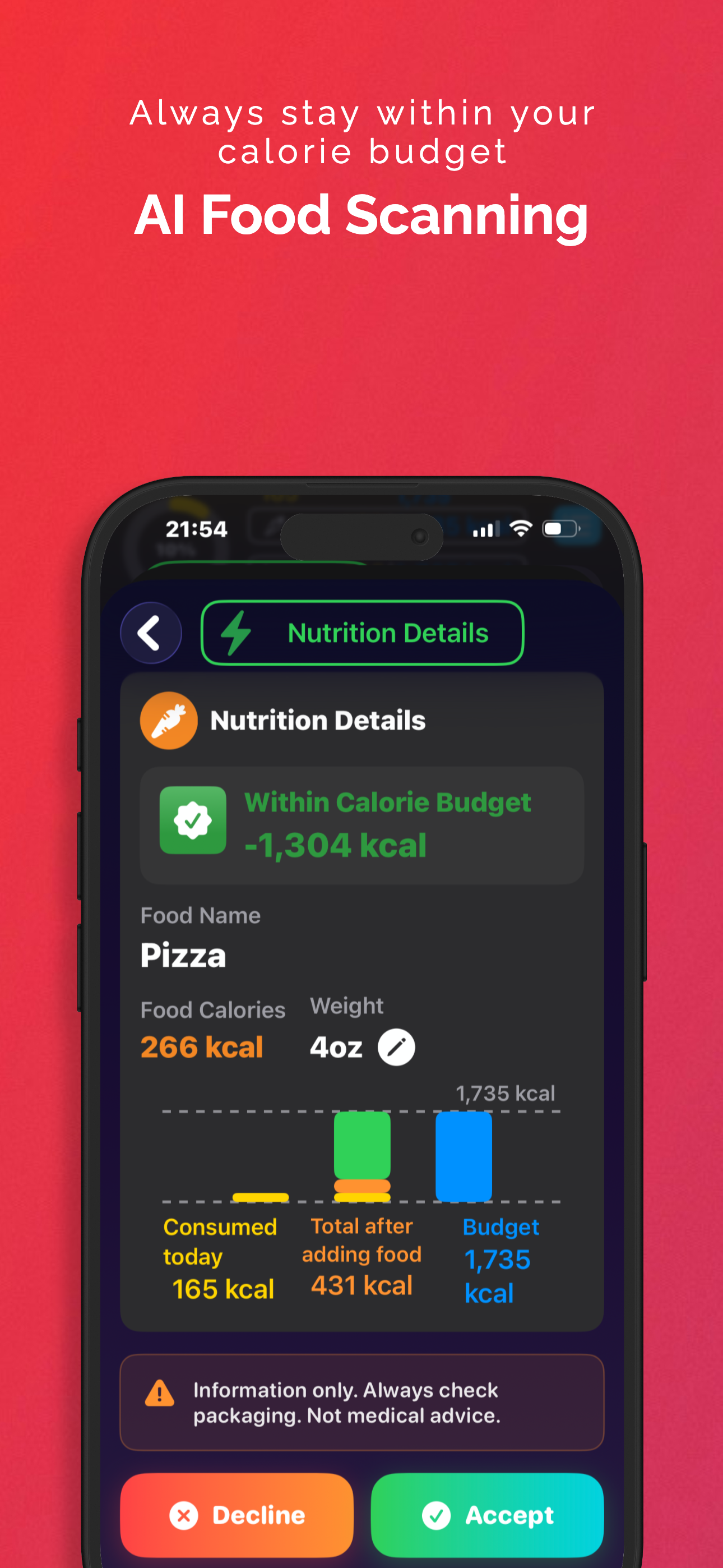
AI Adwuma Nkyerɛkyerɛ
Tɔ foto na fa nsɛm a ɛyɛ nokware pɛ
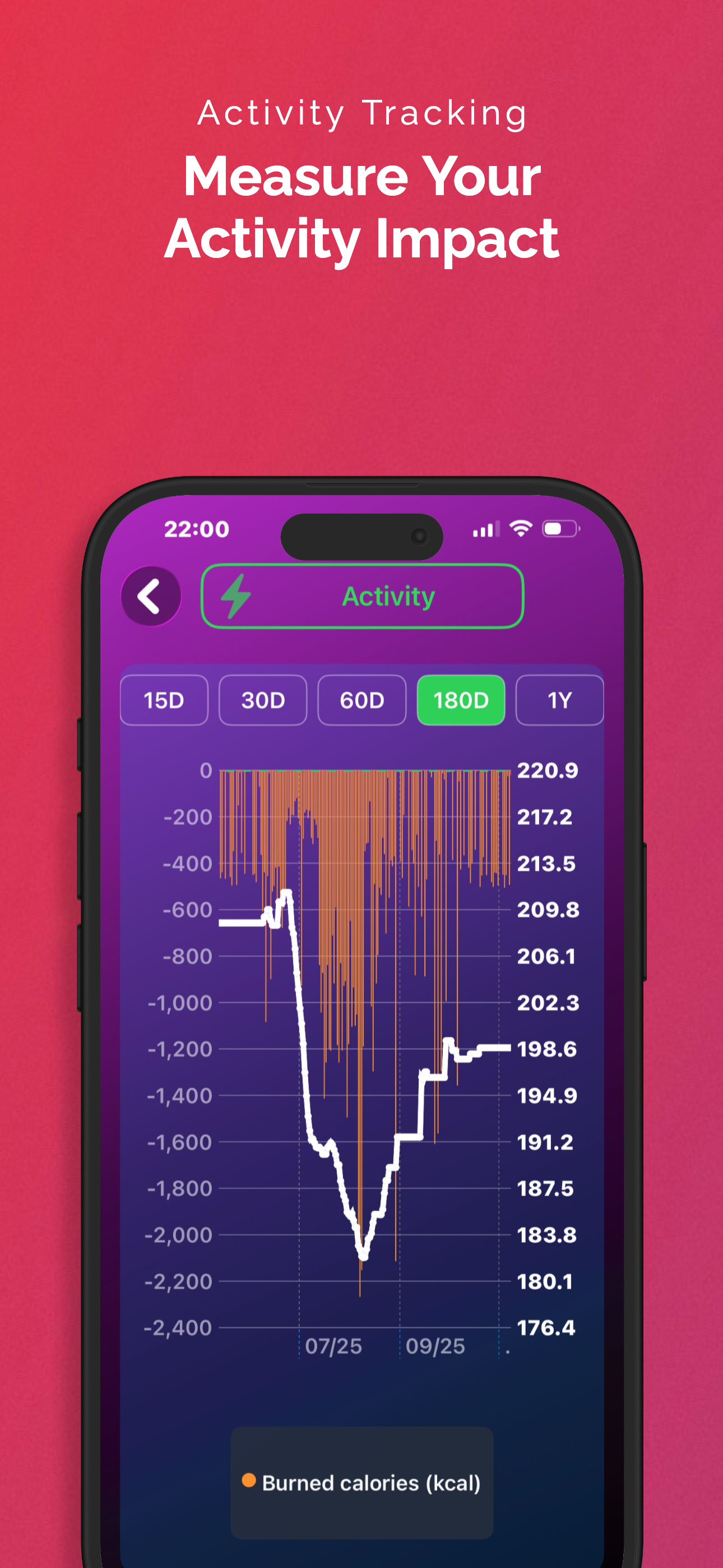
Adwuma Kɔmfoɔ
Hu calories a wɔyɛ adwuma ne nea ɛkyerɛ
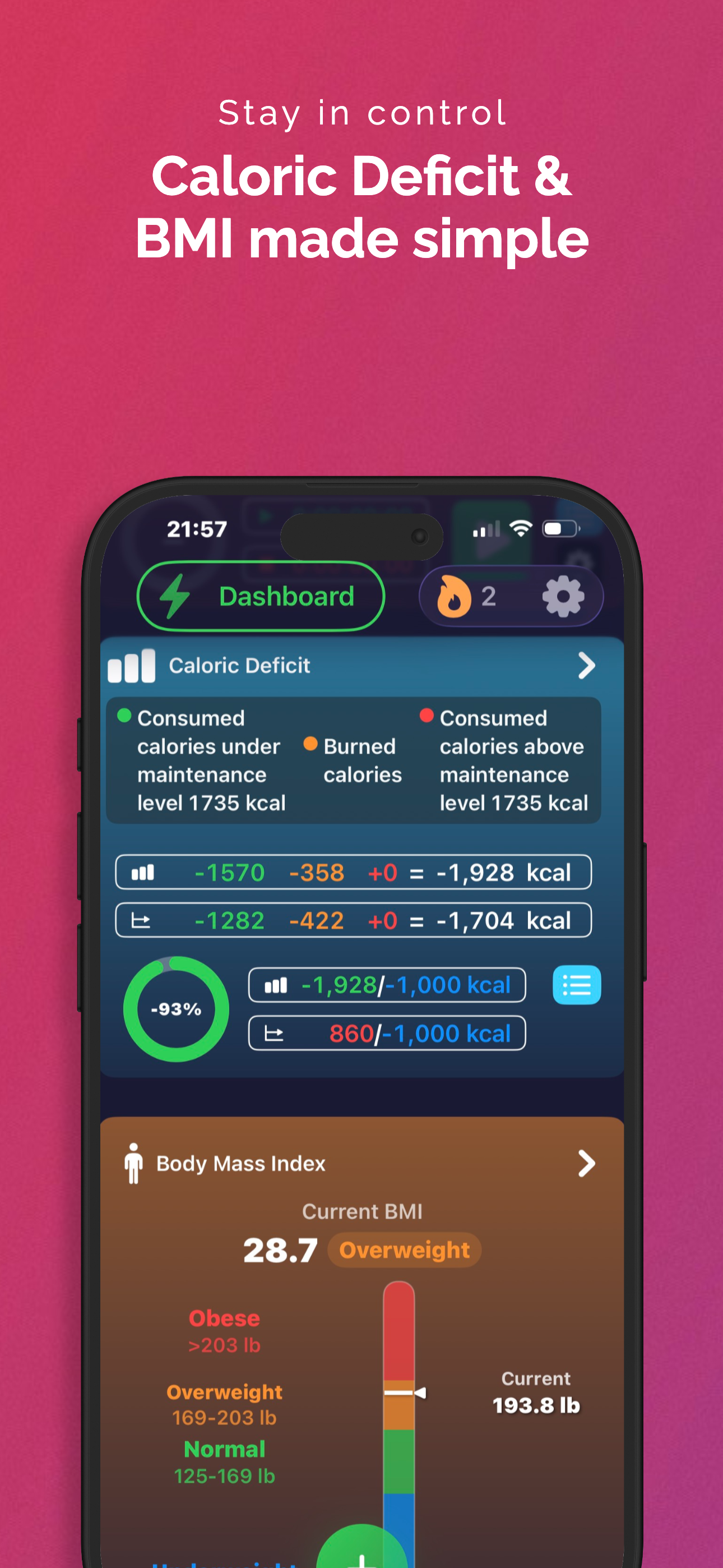
Kɔlori Dɛfisit
Hu sɛnea wopɛ sɛ woyɛ bɔkɔɔ — na nsɛm a ɛda ho nsɛm a ɛyɛ nokware
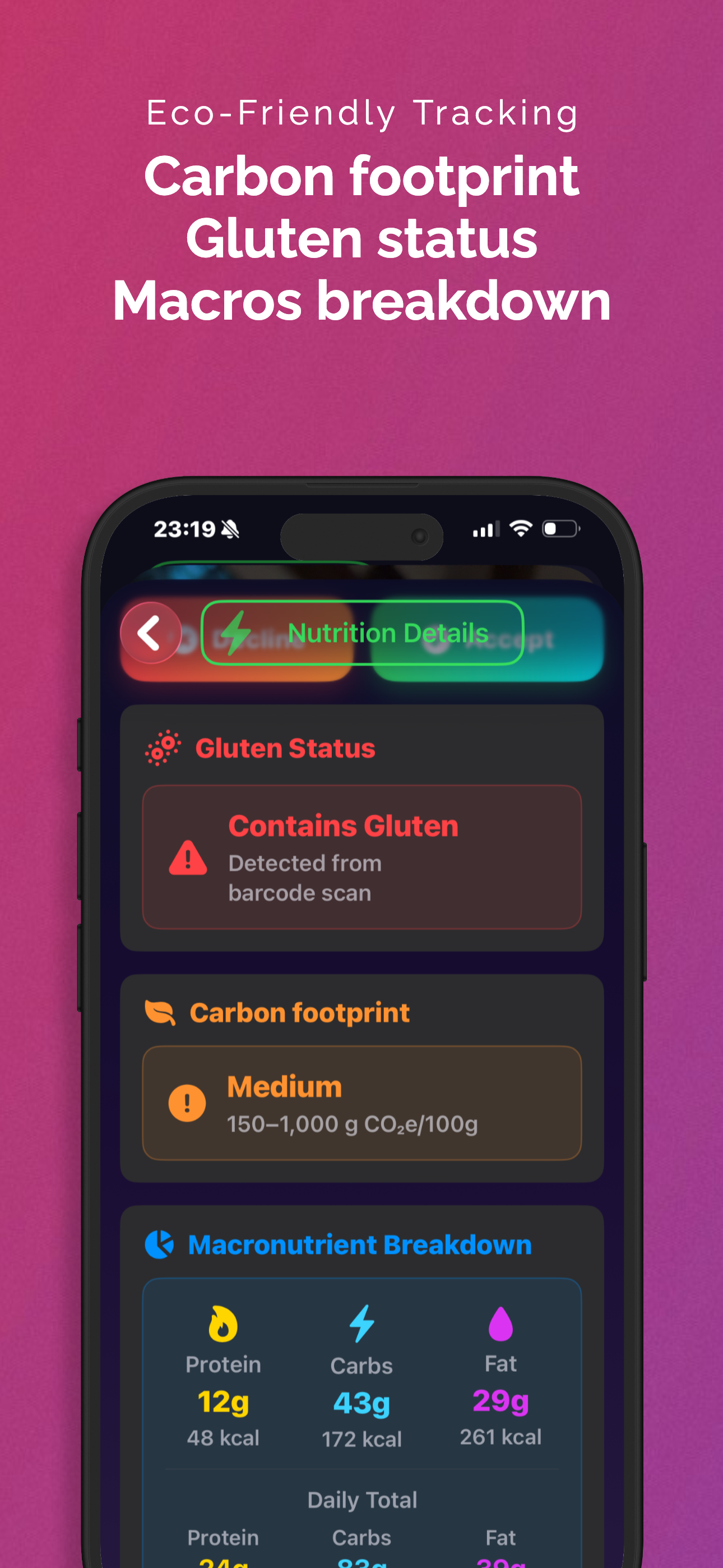
Sɛe Wo Carbon Footprint
Sɔ CO2 a ɛda so fi wo aduan a wopɛ sɛ wode yɛ na wugye nsɛm
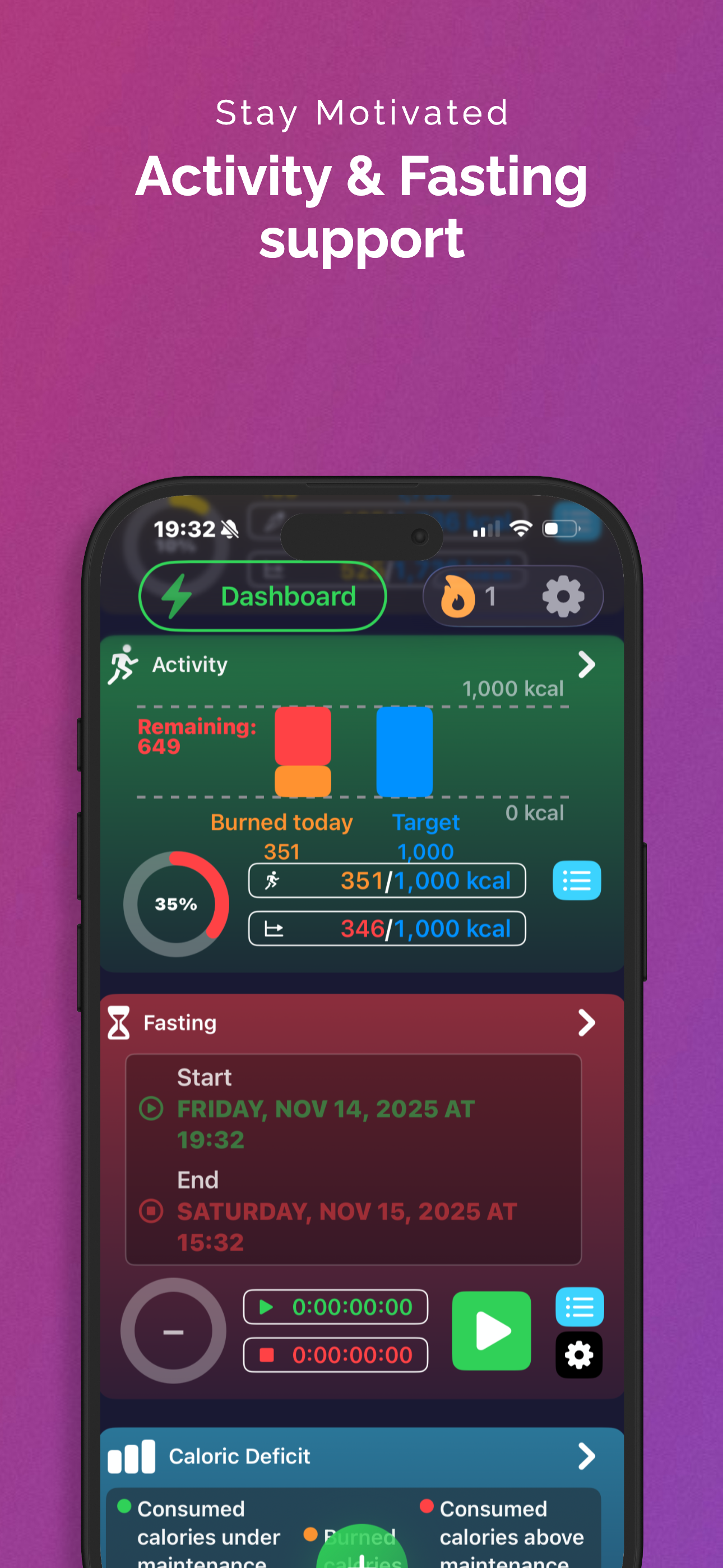
Hwɛ Fasting nsɛm
Hu fasting nsɛm — na wɔn ho nsɛm a ɛda ho nsɛm wɔ wo weight
Nkyerɛkyerɛmu
Nkyerɛkyerɛ a ɛda nsɛm a ɛyɛ nokware ho adi ma ɔkwan a ɛyɛ ɔkwan pa so yɛ weight management a ɛyɛ ɔkwan a ɛyɛ ɔkwan pa so.
Hwɛ AI a ɛyɛɛ mfonini a ɛda wo nipadua ho adi wɔ wo bɔkɔɔ mu
AI bɔ wo nipadua akwan a ɛda ho adi fi mfonini mu na ɛkyerɛ sɛnea wopɛ
Sɛɛ na yɛbɛyɛ wo ho nsɛm a ɛfa wo nsɛm a ɛyɛ fɛ a ɛda ho adi no ho na yɛde Auto-Zoom chart bɛyɛ.
Sika a wɔde yɛ aduan ho nhyehyɛe - ɔkwan a ɛyɛ mmerɛ ne 'sika a wɔde yɛ aduan vs. sika a wɔde yɛ aduan ho nhyehyɛe'
Fa foto, nsa anaa a ɛyɛ dɔla a ɛyɛ 50 nsɛm da biara.
Sɔ barcode de fa nsɛm a ɛyɛ nokware pɛ ne gluten nsɛm
Hu fasting nsɛm — na wɔn ho nsɛm a ɛda ho nsɛm wɔ wo weight
Hwɛ da biara a w'ani so yɛ deficit/surplus a ɛda ho adi kyerɛ wo target no fa mfonini nhoma so.
Sɔ w'adeɛ a ɛyɛ ɔyare mu (CO₂e) a ɛda ho adi wɔ w'aduane ho.
Gluten nsɛm a ɛda ho adi fa barcode scanning ne aduan nhwehwɛmu so.
Fa wo fitness tracker no bɔ mu. Hu weight nsɛm a ɛda ho nsɛm wɔ workout mu. Wɔnhyɛ tracker? Yɛn 'Add Activity' nkyerɛmu bɔ 45+ nsɛm ho.
Animated %-kɔ bɔkɔɔ + exclusive Auto-Zoom weight chart a ɛda ho nsɛm — hu nsɛm ne bere a nkyɛmu bɔ.
Nkyerɛmu a ɛyɛ nokware
Peer-reviewed references supporting weight forecasting, energy balance, carbon footprint of diets, gluten detection, nutrition databases, and AI food analysis.
Weight forecasting uses predictive models based on energy balance principles to project future weight trends from recent data. Research shows that self-monitoring of weight and calorie intake, combined with trend smoothing to reduce day-to-day noise, helps people understand their trajectory and make timely adjustments. Short-horizon predictive modeling turns your recent trajectory into actionable forecasts that support adherence and long-term habits.
Obesity (Silver Spring, Md.) · 2025
Demonstrates the importance of accurate body composition measurement in tracking weight changes, supporting the need for trend smoothing in weight forecasting models.
Annals of behavioral medicine : a publication of the Society of Behavioral Medicine · 2025
Shows how self-monitoring and feedback mechanisms support long-term weight maintenance, validating the approach of providing clear forecasts and trend visualization.
Pre-set calorie budgets with clear "within budget" or "over budget" feedback help users make informed food choices in real-time. Research demonstrates that this decision-support approach improves adherence to calorie goals by reducing cognitive load and providing immediate, actionable feedback. The simple "spend vs. budget" framework aligns with behavioral economics principles that show people make better decisions when they have clear constraints and instant feedback on their choices.
Annals of behavioral medicine : a publication of the Society of Behavioral Medicine · 2025
Shows that structured goal-setting and feedback mechanisms improve adherence to dietary targets, supporting the budget-based calorie approach.
Nature medicine · 2023
Demonstrates that structured calorie management approaches improve adherence and outcomes compared to standard care.
Energy balance—the relationship between calories consumed and calories burned—is the primary driver of weight change. Research consistently shows that creating a calorie deficit leads to weight loss, while a surplus leads to weight gain. Visualizing this deficit in real-time helps users understand how their daily choices impact their progress toward goals. The app translates energy balance into plain language, showing the gap between current intake and target, and what changes can close that gap.
Obesity (Silver Spring, Md.) · 2025
Confirms that energy balance is the fundamental mechanism driving weight change, validating the calorie deficit approach.
Nutrients · 2022
Shows that calorie deficit, regardless of timing, drives weight loss, supporting the energy balance principle.
Artificial intelligence and machine learning enable automated food recognition from photos, text descriptions, and barcode scanning. Research shows that AI-powered nutrition estimation can provide reasonable accuracy for common foods, helping users log meals more quickly and consistently. The combination of photo analysis, barcode scanning, and text parsing creates multiple pathways for food logging, reducing barriers to self-monitoring and improving adherence to calorie tracking.
Communications medicine · 2025
Demonstrates how AI and large language models can accurately estimate nutrition from food images and descriptions.
Journal of imaging · 2025
Shows that AI can extract nutrition information from food labels, supporting barcode and text-based food logging.
Food production accounts for a significant portion of global greenhouse gas emissions. Research shows that different foods have vastly different carbon footprints, and dietary choices can substantially impact environmental sustainability. Tracking the carbon footprint of meals helps users understand the environmental impact of their food choices and make more sustainable decisions. Studies demonstrate that even small dietary changes can meaningfully reduce carbon emissions.
The American journal of clinical nutrition · 2025
Shows that sustainable dietary patterns can reduce greenhouse gas emissions while improving diet quality, validating carbon footprint tracking.
The American journal of clinical nutrition · 2025
Demonstrates the relationship between diet quality and environmental sustainability, supporting carbon footprint awareness in food choices.
For people with celiac disease or gluten sensitivity, avoiding gluten is essential for health. Research shows that even small amounts of gluten can cause symptoms and long-term damage in sensitive individuals. Barcode scanning and food analysis can help identify gluten-containing products, providing quick screening to support gluten-free dietary adherence. While the app provides indicators based on product information, it's important to note that it's an estimator and not a replacement for careful label reading or medical guidance.
Nutrients · 2024
Reviews diagnostic methods for celiac disease, highlighting the importance of accurate gluten detection for those with celiac disease.
Food chemistry · 2024
Reviews technological approaches to gluten detection in foods, supporting the use of food analysis for gluten screening.
Tɔ wo ho nsɛm wɔ bɔkɔɔ a ɛda so ne nsɛm a ɛyɛ mmerɛ
Download LyteFast nnɛ na fa wo da 3 a ɛyɛ ɔfɛ a ɛyɛ free.
Download wɔ App StoreTwa mu da biara • 151 nkɔmɔ kasa